

Blog / FAQs

Blog

All FAQs Clarksville Hyundai Dealer New Inventory Wyatt Johnson Hyundai Car Tips Clarksville Hyundai Service Clarksville Used Cars Local Used Inventory Wyatt Johnson Hyundai Service
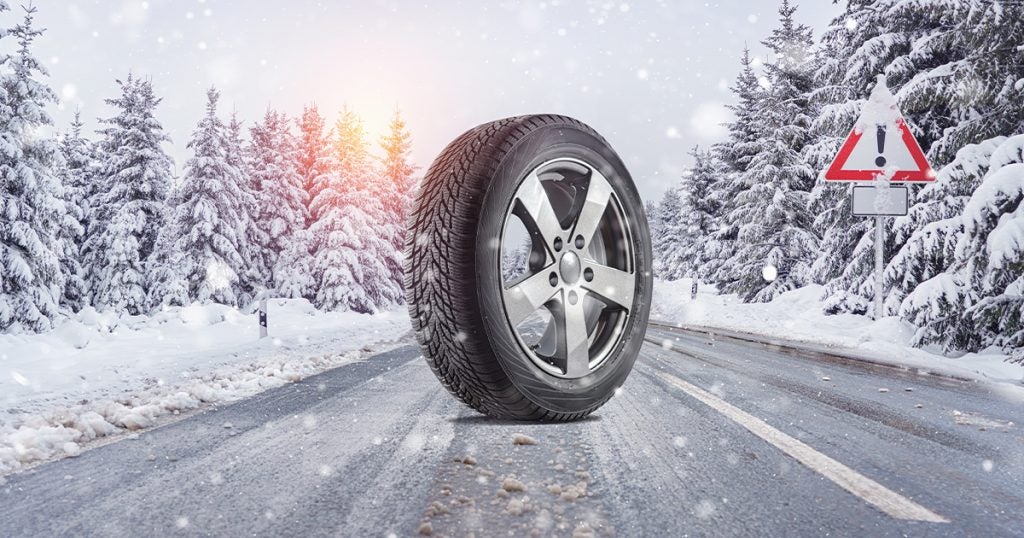
An image of a winter tire in a snowy setting.

Why You Need Winter Tires for Your Hyundai

As temperatures drop and winter weather rolls in, your Hyundai needs more than just a warm-up; it needs the right tires to keep you safe and in control. Whether you're commuting through icy mornings or navigating snowy backroads, Hyundai Winter Tires are designed to handle the season’s toughest conditions. Before the first frost hits, schedule your seasonal tire check at our Hyundai service center in Clarksville to ensure your vehicle is ready for winter. more Key Points Winter tires improve safety and performance: Specialized rubber compounds and deeper tread patterns stay flexible in freezing temperatures, providing better grip, shorter stopping distances, and more confident handling on snow and ice. Winter vs. all-season tires: All-season tires harden in extreme cold, reducing traction, while winter tires are specifically designed to deliver superior control and responsiveness in snowy or icy conditions. Affordable service and expert care: Wyatt Johnson Hyundai offers seasonal specials, certified inspections, and a wide selection of winter tires to keep your Hyundai safe and ready for winter driving. The Science Behind Winter Tires Winter tires are engineered with specialized rubber compounds that remain flexible in freezing temperatures. This flexibility allows the tire to maintain better contact with the road, improving grip, and reducing stopping distances on snow and ice. The tread patterns are also deeper and more aggressive, designed to channel slush and snow away from the tire’s surface. This means better traction, more confident handling, and enhanced safety when conditions are less than ideal. All Season Tires vs Winter Tires What is the difference between all season tires vs winter tires? While all-season tires are built for versatility, they’re not optimized for extreme cold or heavy snow. Their rubber compounds tend to harden in low temperatures, reducing traction and responsiveness. Winter tires, on the other hand, are specifically designed to perform in cold weather, offering superior grip and control. If you live in an area where winter weather is a regular occurrence, switching to winter tires is a smart investment in your safety. Protecting Your Hyundai and Your Peace of Mind Driving on the wrong tires in winter conditions can lead to reduced performance, increased wear, and even accidents. Equipping your vehicle with winter tires not only protects your Hyundai but also gives you peace of mind when the roads get slick. Whether you drive a Sonata, Tucson, or Santa Fe, winter tires can make all the difference in how your vehicle handles snow, ice, and freezing rain. Save on Seasonal Tire Service At Wyatt Johnson Hyundai, we believe that safety should be affordable. That’s why we offer rotating service and parts specials to help you save on tire installation, rotations, and alignments. Our certified technicians can also inspect your current tires and recommend the best winter options for your specific model. Plus, we carry a wide selection of Hyundai auto parts and accessories to keep your vehicle performing at its best all season long. Expert Service You Can Trust Our team at Wyatt Johnson Hyundai is committed to keeping you safe on the road. From tire inspections to full winter prep packages, we’re here to help you navigate the season with confidence. Visit our Hyundai service center in Clarksville for expert advice, quality service, and a customer-first experience every time. Ready for Winter? We’ve Got You Covered Don’t wait until the first snowfall to think about your tires. Make the switch to winter tires now and enjoy safer, smoother driving all season long. If you have questions about winter tire options, our team is here to help, just contact us or stop by the dealership. When you're ready, schedule your service appointment and let us help you prepare your Hyundai for whatever winter throws your way.
Fall car care service tips from Wyatt Johnson Hyundai near Nashville

Your Car Care Checklist For Fall

The weather’s getting cooler, leaves are changing color...fall is finally here! That's why Wyatt Johnson Hyundai's service center near Nashville is here to offer you a car care checklist of service tips to keep your car as reliable as ever as the months get colder and colder. So whether you're driving a new Hyundai or another car, take a look at our list below and schedule service in Clarksville afterwards for a stellar experience! 15 Tips to Prepare Your Car For Fall Checking and Refilling Fluids: All of your fluids play a crucial role in keeping your Hyundai performing at its absolute best, and during the cooler months you don’t need anything less. Taking a look at your oil, power steering fluid, brake fluid, and transmission fluid and refilling or changing any that need it is a great way to prepare your car for the winter months ahead. Also, checking your antifreeze/coolant is an absolute must, as that will keep your engine from getting too cold should the temps drop. Change the Oil and Filters: While we’re on the topic of fluids, your oil is a big one that you should be up to date on. Ignoring an oil change, especially on the brink of winter, is not a great idea. Old oil in your system greatly increases the risk of your engine overheating, severely damaging the engine. Check when your Hyundai is due for its next oil change and make sure you get the filters changed as well. That way your brand-new oil stays new for as long as possible! Test the Heating/HVAC: Yes, your AC system may seem like an afterthought when it comes to having to prepare your car for fall and winter car care. However, your HVAC is also responsible for filtering the air, dehumidifying your windshield, and heating your car. So making sure everything there is in working order before the weather gets too cold is probably a good idea. Tighten Your Hoses: Making sure your antifreeze and fluids are all topped off is great, but it won’t do you any good if it can’t reach your engine. If your hoses have any leaks or breaks, there’s a good chance you’ll overheat your engine when the cold weather hits and your engine has to work overtime to keep it warm. Be sure to give your hoses a good look over and tighten any that seem loose. Look at Your Belts: This actually goes hand in hand with your hoses. Hot summer months can severely degrade the belts in your engine. When checking under the hood, you should look for any signs of excessive wear, fraying, cracks, or looseness. If you do notice any of these, bring your Hyundai over to Wyatt Johnson Hyundai and we’ll set you up with a new belt. Test Your Exhaust: Checking your exhaust system as part of your fall car care checklist could actually save your life. If there’s a leak in your exhaust, carbon monoxide could seep into your car. Not only that, but a damaged exhaust system can also result in lower mileage. Keep on the lookout for weird noises, smells, a vibrating gas pedal, or a rumble when your car is sitting still. All are signs that your exhaust system is damaged. Our Hyundai-trained technicians in Clarksville will look for rust, holes, leaks, and other damage that may be present during our inspection. Check Your Brakes: You want to be able to stop when you need to stop right? Especially if the weather is giving you trouble, you don’t want your brakes to be something else to worry about. Bring your Hyundai over to Wyatt Johnson Hyundai and our service team will make sure your brake system is in good working order. Replacing your brake pads and rotors is essential to your fall car care and winter prep, so get quality brake service if you're near Nashville today. Inspect All 4 Tires: The quality of your tires is just as important as that of your brakes. If your tires are worn down, they’re not going to do you much good in snow or rain. Make sure to not only check the tread but also their pressure. Tires tend to lose pressure when the temperature drops and changing a flat in 30-degree weather isn’t fun. If you really want to future-proof yourself, getting a good set of snow tires or all-season tires will be greatly beneficial. You can get those and quality tire service in Clarksville. Pay Attention to Steering and Suspension: You want to be in complete control of your Hyundai in the event of bad weather. Making sure your power steering and suspension are up to par is the best way to remain in control at all times. If you’re worried, our team can take a look at your shock absorbers, struts, and chassis to see if anything needs adjusting or replacing. Test The Battery: Bering able to rely on your battery during the colder months can be a huge weight off your shoulders. So be sure to check the charge and quality of your current battery. If it’s been more than three years, it may be time to replace the battery completely. Visit our service center near the greater Nashville area and we’ll be able to set you up with a brand-new battery just in time for the cold weather to come. Replace Your Wipers: Did you know that the quality of your windshield wipers actually factors into your yearly inspection? That’s because if your wipers are leaving heavy streaks on your windshield, you’re not going to have very good visibility. And visibility is essential in any type of inclement weather. Wash Your Car: This may definitely seem unnecessary, but hear us out for a second. Cleaning your car of all the summer mildew and dirt can help prepare it for what’s coming. Waxing your car can also protect it from snow, ice, and salt as well. Furthermore, it’s a good idea to clean your car after it snows regularly. Icemelt and salt can accumulate and erode certain components of your undercarriage if left on for extended periods of time. While not as immediately important as other tips on your Fall car care list, it won’t hurt. Clean Your Headlights: Between dead bulbs and cloudy headlight covers, there’s enough to check to warrant this being on your Fall car care list. Your headlights do two things out on the road. They help you see what’s in front of you, and they help other drivers see you. Make sure both of these functions are unimpeded by checking your bulbs and cleaning your headlight covers. Pack Roadside Kit: If the unfortunate happens and you have car issues or slide on ice or snow, having a pack of supplies to fall back on is a great idea. Some things that should be in your roadside kit include an ice scraper, jumper cables, a flashlight, blankets, bottled water, non-perishable food, and a first aid kit. You can never be too careful. Get AAA/Roadside Assistance: No Fall car care list would be complete without roadside assistance. These guys can be literal life savers and save you from having to sit out in the cold waiting on a tow company and praying that they’re open. Companies like AAA offer 24/7 support and assistance so they’re always there when you need them. Plus, with Hyundai Roadside Assistance, you're getting the same benefits for your Hyundai! Stay On Top of Your Fall Car Care It may seem like a lot to keep track of, but if you follow this fall car care checklist, you’ll be more than prepared for when the colder months roll around. And if there’s anything you need to replace or you can’t check out yourself, you can always make Wyatt Johnson Hyundai a part of your fall car prep by scheduling an appointment with our service center in Clarksville. Make sure you prepare your car for the changing of the seasons with Wyatt Johnson Hyundai near Nashville!

Car Warning Light Symbols and Indicators

Car Warning Light Symbols and Indicators

Car Warning Light Symbols and Indicators Indicators such as improperly closed doors or the dreaded check-engine alarm show up on an automobile’s dashboard to communicate with users. When the automobile or truck heats up, they briefly glow to ensure that systems are safe and ready for use. One light may occasionally remain on, indicating a problem. Be extremely cautious if one or more warning lights do not briefly illuminate. If they're not working, the vehicle user may never find out about a problem that could stall the automobile later. A minor problem can swiftly evolve into a larger, more costly, and perhaps hazardous one if the vehicle operator doesn't comprehend what a warning light means or chooses to ignore it. Therefore, do not forget to pay attention to them, especially in automobiles that use several onboard diagnostics. Indicators and Symbols: 1) Security Alert: If the ignition switch is locked, the indicator light will illuminate briefly, and the vehicle will require the use of a transponder-equipped key to restart. If the light is visible when the car is turned on, it usually means there is a problem with the security system. 2) Reduced Power: This shows that the onboard ECU (Electronic Control Unit) is not able to receive adequate power from the engine, which is why this symbol lights up. 3) Gearbox Temperature: This indicates that the internal components of the gearbox have reached a critical state, which could be caused by one or more of the following reasons: • Heavier-Than-Usual Hauling • Low Transmission Fluid Levels • An immense amount of wear and tear on the interior components 4) Airbag Warning: This light will illuminate when the car is turned on for the first time, which is typical. One of the vehicle's airbags may be faulty if it remains lighted while driving. Although occupants will not become stuck on the side of the road as a result of this, it could be dangerous in the event of an accident. 5) Low on Fuel: This is one of the most frequently seen warning symbols on the dashboard, seen in the fuel gauge. It shows that fuel is low and the driver needs to head over to the gas station for a refill. 6) Oil Pressure Warning: An illuminated oil pressure indicator could simply be a car's method of indicating that it's time to top up the engine oil. It could also be a sign of an engine leak or worn components like a blown piston ring or a broken oil pump. It's a good idea to park at the service facility if it doesn't function or if the light comes on quickly even after adding oil. 7) Tire Pressure: If a particular automobile has a TPMS (Tire Pressure Monitoring System), it may light up on the dashboard to signal that its tire pressures are either low or too high at times. 8) Coolant Temperature: The coolant temperature indicator, which looks like a thermometer dipped in water, shows that the vehicle is overheating. This could be caused by radiator damage, a faulty water pump, low coolant levels, or a leaking or even a ruptured coolant hose. Driving an overheated car is not only risky, but it also puts the four-wheeled vehicle at risk of irreversible damage. Check for coolant leaks and, if necessary, replenish.

Contact Us

Fill out this form below and we'll contact you shortly

By submitting your information, you agree to the sharing of your information between Hyundai Motor America and its authorized dealers.

*Required Fields