



Sep 8, 2021
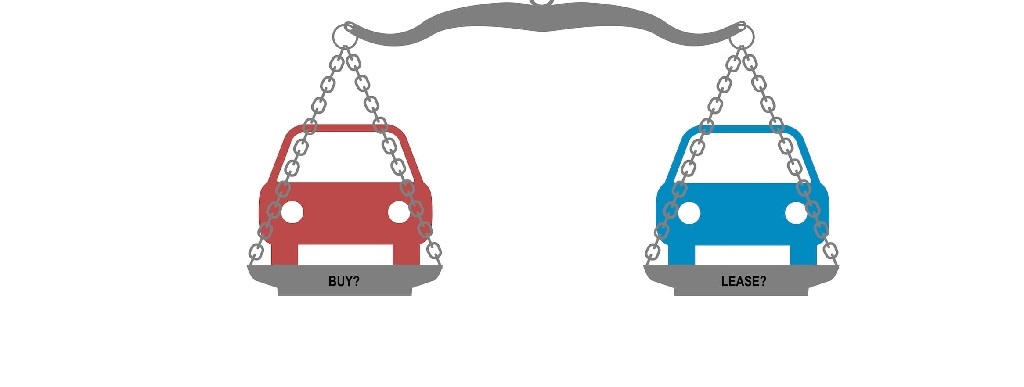
How does leasing differ from owning a vehicle?
Leasing or buying a new car are the two most common forms of financing a new vehicle, each with advantages and disadvantages, and the ideal option for you depends on your money, your lifestyle, your driving habits, and your preferences. and disadvantages of leasing and buying, which will help you decide which of the others to choose.
Benefits of buying a vehicle:
- If you paid a car loan, you are the owner of the vehicle. When the repayment term ends, the lender transfers ownership to you, and you no longer have to worry about paying the loan.
- For drivers who keep their car for more than a few years, buying a car is a wonderful alternative. You are in full control of how you customize and operate it, and don’t have to worry about selling or trading it until it’s ready.
- If your payments exceed the vehicle’s depreciation rate, owning a car can help you build up equity that could help you purchase your next vehicle.
Leasing a car has several advantages:
- Protects drivers from unforeseen loss of value. For example, if the value of a vehicle falls due to unforeseen reasons such as recalls or rising gasoline prices, there is no harm to the person renting the vehicle.
- When you rent a vehicle, you pay lower sales tax.
- Leasing is also a great alternative for people who want a larger vehicle at a lower price. Imagine you need a luxury sedan for business purposes, maybe to entertain customers, but the monthly payment for a car loan is out of your pocket. Leasing can be a great way to get the car you want with technology, safety features and luxury amenities for you wish to obtain at a lower cost.
- The standard warranty period for a new car is three years; therefore, many leases have a term of three years. This means that the manufacturer’s warranty covers the vehicle for any unexpected repairs that occur during the lease period.
Cons of Purchasing an Automobile:
- When buying a car, a larger deposit is usually required from the driver. Many lenders require you to deposit 10 to 20% of the vehicle’s value upfront when taking out a car loan. For example, if you spend $ 40,000 on a vehicle, you will save between $ 4,000 and $ 8,000.
- Since you also pay the full vehicle value including taxes, fees and interest, the monthly payments for a car loan are often higher than for a lease.
Cons of Leasing a Car:
- Many drivers can be fined if they terminate their rental agreement early. If you’re driving needs change during the lease term, you will be charged for early termination of your lease.
- Strict mileage restrictions apply in leasing contracts. break the law. Estimate the average number of kilometres you drive a car each year before leasing it. If you have a long commute to work, live in a remote area, or make frequent car trips, buying a vehicle may be a better option.
- At the end of the leasing period, you must return the vehicle to the dealer in a sellable condition. Otherwise, you may be charged for excessive wear and tear. Read the terms of your lease carefully to see what is approved.
- When you rent a car, you are renting it for a limited time and funding that portion of the vehicle’s life that your lease covers. When your lease expires, you have no value for the car or something to trade. If you want to buy the car after the lease expires, you will need to take out a loan with a higher interest rate to cover the remaining costs.
Connect with us


Recent Blog Entries
Categories
Wyatt Johnson Hyundai

Address
2425 Wilma Rudolph Blvd
Clarksville, TN 37040
Phone
- Call Now 931-542-5120
| Monday | 8:30AM - 7:00PM |
| Tuesday | 8:30AM - 7:00PM |
| Wednesday | 8:30AM - 7:00PM |
| Thursday | 8:30AM - 7:00PM |
| Friday | 8:30AM - 7:00PM |
| Saturday | 9:00AM - 6:00PM |
| Sunday | Closed |
| Monday | 7:00AM - 6:00PM |
| Tuesday | 7:00AM - 6:00PM |
| Wednesday | 7:00AM - 6:00PM |
| Thursday | 7:00AM - 6:00PM |
| Friday | 7:00AM - 6:00PM |
| Saturday | 7:00AM - 3:00PM |
| Sunday | Closed |
| Monday | 10:00AM - 6:00PM |
| Tuesday | 7:00AM - 6:00PM |
| Wednesday | 7:00AM - 6:00PM |
| Thursday | 7:00AM - 6:00PM |
| Friday | 7:00AM - 6:00PM |
| Saturday | 7:00AM - 3:00PM |
| Sunday | Closed |